

 Produktion
in Deutschland  Zertifizierte Qualität
  Persönliche
Beratung
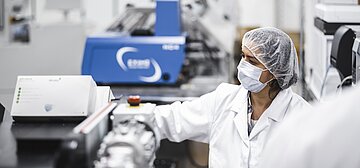
Wir sind Komplettanbieter für Druckproduktionen, Kartenhersteller, Maskenproduzent, Informationsmanager und Software-Entwickler. Vor allem aber sind wir ein erfahrenes Team, das auf jede Ihrer Anforderungen eingeht – individuell und über alle Kanäle hinweg.
Wir entwickeln individuelle Hybrid-Lösungen, die sich aus dem Besten der bewährten und digitalen Welt bedienen, damit unsere Kund:innen dem Wettbewerb einen Schritt voraus sind.

Bei PAV erhalten Sie eine umfassende Auswahl an Praxisvordrucken – von Muster 16 über individuelle Privatrezepte bis hin zum Röntgen- oder Allergiepass. Drucksachen für Ihre Praxisorganisation können Sie ebenfalls bei uns bestellen.

Selfmailer, kuvertierte Mailings und Postkarten zählen zu den erfolgreichsten Instrumenten des Direktmarketings. Wir bieten Ihnen neben einer Vielfalt hochwertiger Mailings auch zusätzliche Services von Personalisierung bis Fulfillment.

Von Geschenkkarten für Ihre Mitarbeiter:innen und Kund:innen bis zu Kartenmailings, Ausweismedien, Hybrid-Karten, Plastikkarten, Magnetstreifenkarten oder Chipkarten – wir haben das passende Produkt im Sortiment.

Seit fast 100 Jahren vertrauen unsere Kund:innen auf unsere Produkte. Damit dies so bleibt, arbeiten wir täglich daran, immer besser zu werden. Dabei handeln wir auf der Grundlage klarer Werte: Familie, Leidenschaft, Wertschätzung.

In unserem Familienunternehmen entwickeln wir innovative Produkte und Lösungen in den Bereichen Kommunikation, Gesundheit und Digitalisierung. Wollen Sie auch dazu beitragen? Dann entdecken Sie unsere aktuellen Stellenangebote.

Rufen Sie mich an,
ich berate Sie gern!
 +49 41 54 _ 7 99 379
 thomas.triebsch@pav.de